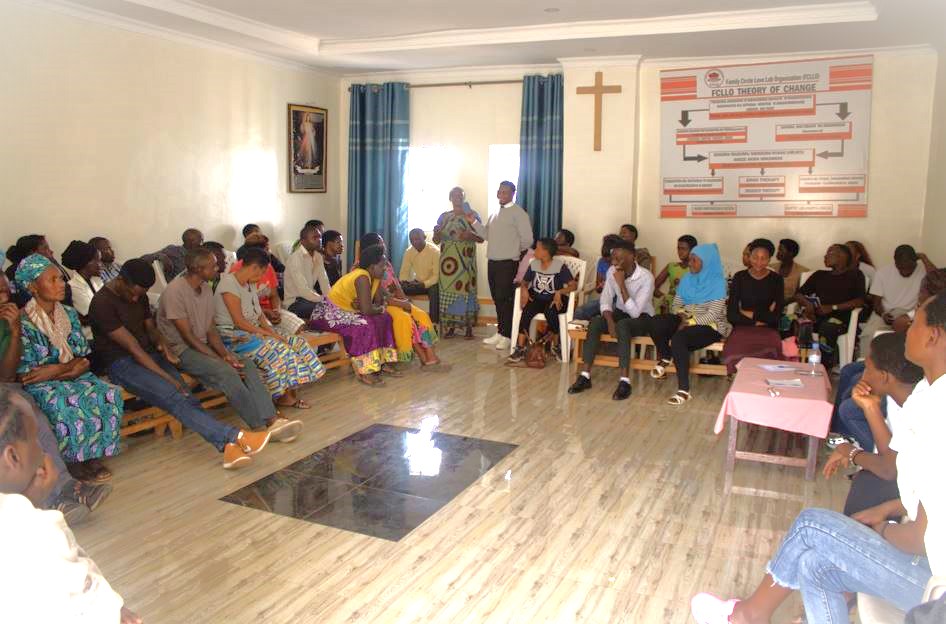
Facilitate Intergenerational Family Circles Sessions For couples and Youth on SRHR

2025-08-23

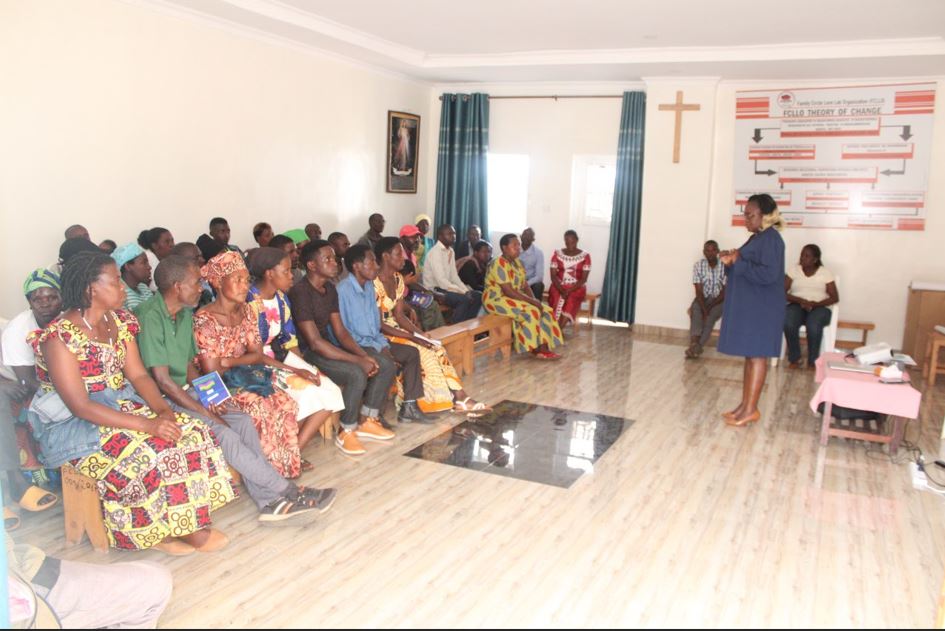
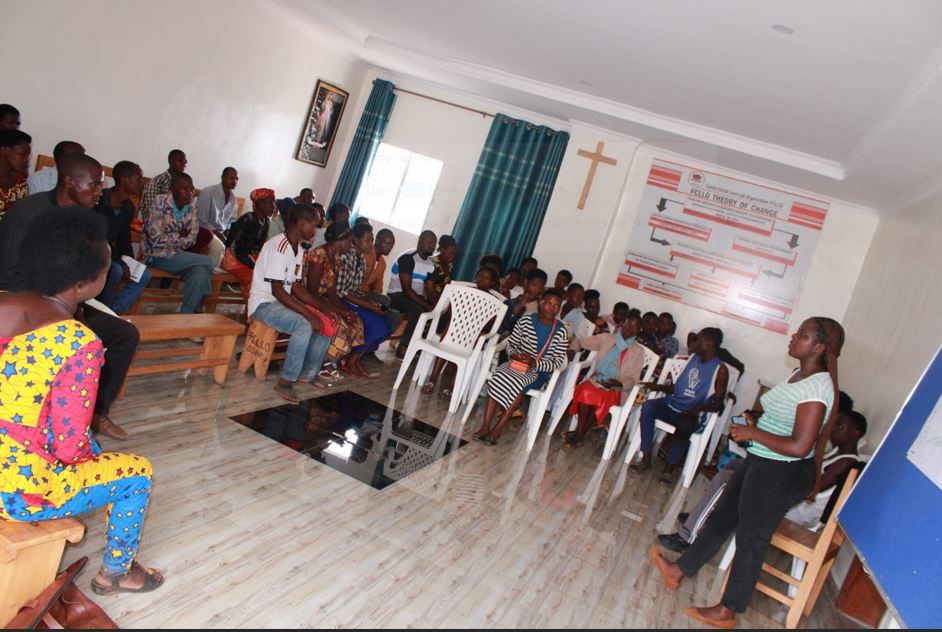
This activity Held in July 2025, the sessions promoted open communication between generations, breaking cultural taboos and improving knowledge around SRHR. The trainings covered vital topics such as puberty, contraception, STIs, consent, healthy relationships, gender norms, and access to SRHR services. These sessions were tailored to different groups—youth-only, couples-only, and joint youth-couple discussions—to create safe spaces and ensure age-appropriate, relevant engagement.

Youth-focused sessions emphasized bodily autonomy, menstrual health, contraception, and prevention of HIV/STIs. Through interactive activities like role plays and storytelling, young participants were encouraged to critically examine misinformation, peer pressure, and risky behaviours. They were also equipped with tools for informed decision-making and advocacy.
Blog Image
Couples-focused sessions tackled deeper relational issues such as power dynamics, communication barriers, and shared decision-making in family planning. Couples explored traditional gender roles, cultural barriers, and the importance of mutual respect and consent. Through guided discussions, many reported a shift in mindset, especially male participants who became more open to active roles in family health and communication.
Blog Image
Joint sessions fostered intergenerational dialogue to bridge knowledge gaps and encourage joint family action plans. These discussions addressed cultural norms that hinder SRHR education—such as early marriage, gender-based violence, and silence around sexuality—and empowered participants to become advocates for positive change in their communities.
Blog Image
Real-life testimonies highlighted the personal impact of the training. Youth shared stories of early pregnancy, lack of guidance, and peer pressure, while older participants reflected on their past silence and newfound willingness to discuss SRHR openly with their children. Both groups expressed gratitude for the safe, respectful learning environment that allowed for healing and growth.